
BOWWBLOG #43: Sucking the Marrow of Life: Why Generosity in Hard Times Is Not Irrational, It's Revolutionary
How a day at Enchanted Kingdom reminded me that joy is not frivolous—it is the very thing we are fighting to protect
WHAT: The Day We Chose Joy Over Fear
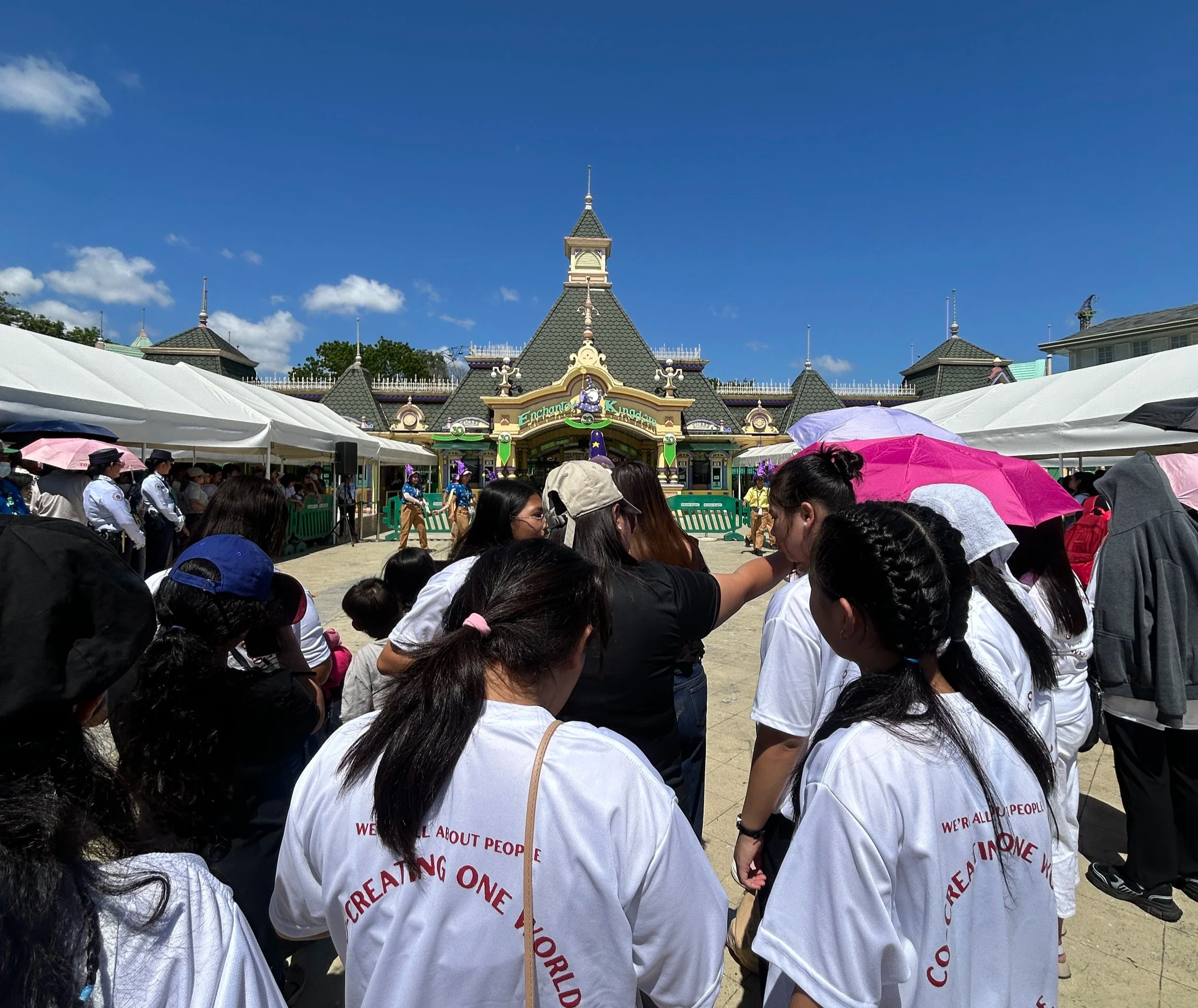
For two decades, I have witnessed the quiet, sacred work of the 113-year old Religious of the Good Shepherd Sisters at Bukid Kabataan—a sanctuary for children who have survived the unthinkable: abuse, exploitation, abandonment.
Last week, with the help of Lemon na Bai, friends, and neighbors, we gave twenty of these children, their house parents, and social workers a day at Enchanted Kingdom.
On paper, it made no sense.
Fuel prices are soaring. The war in the Middle East has blocked the Strait of Hormuz, and in a country 98% dependent on imports, diesel now exceeds ₱100 per liter. Every business owner I know is tightening belts. The rational mind whispers: conserve, retreat, look out for number one.
But we went anyway.
As we walked through Victoria Park, rode the Anchors Aweigh, floated on the Up, Up and Away, and watched their faces light up during Agila: The EKsperience—the world's largest flying theater—I was reminded of a deeper truth: we don't just survive by what we save. We thrive by what we share.
One of the girls, 12 years old, whispered even as we waited in line to start this exciting day: "Tita Susan, today is a first we will never forget all our lives!”
SO WHAT: The Generosity Paradox
The children taught me something profound on this Saturday. They didn't need us to solve the global oil crisis. They didn't need us to fix the economy or end the war. They needed us to be present—fully, joyfully, unapologetically present.
We paused the weight of the world, not to forget it, but to remember why we carry it. We sucked the marrow of life, moment by moment.
This is the kind of financial stewardship the world needs now. Not fear-based hoarding, but values-aligned generosity. The Inner Development Goals (IDG) call this "Connecting"—the ability to see ourselves as part of a larger whole. WEALL calls it building an economy that serves life, not the other way around.
Both movements remind us that the crisis in the Middle East is not distant. It lands at our pumps, in our household budgets, in the difficult choices families make between food and fare.

But here is what I have learned: the same consciousness that created these fractures cannot solve them. We need a new consciousness—one that knows that a child's laughter at Enchanted Kingdom is not frivolous. It is essential. It is the very thing we are fighting to protect.
NOW WHAT: How to STF—Survive, Thrive, Flourish—in Hard Times
So how do we navigate times like these? How do we hold both the fear and the joy, the scarcity and the generosity, the survival instinct and the desire to thrive?
We start by redefining wealth. Wealth is not just what you accumulate. It is:
· The network of care you nurture.
· The community fridge you contribute to.
· The neighbor you check on.
· The decision, like Lemon na Bai made, to sponsor joy for children who have known too much sorrow.
We tighten our belts, yes. But we do it together, making sure no one's belt is tighter than they can bear. We live with frugality, but not with scarcity of spirit.
Because here is the paradox: in giving, we receive. In connection, we find strength. In collective care, we discover that survival is not the end goal—flourishing is. And flourishing is not a solo endeavor. It is a garden we tend together.
Your Call to Action: Three Ways to Practice Revolutionary Generosity This Week
You don't need to fund a theme park trip to practice this kind of generosity. Here are three small, doable acts that embody the same spirit:
1. Sponsor One Moment of Joy
· Action: Identify one person or family in your circle who is struggling. Instead of offering advice or sympathy, offer a specific, small gift of joy. A meal delivered. A movie ticket. An afternoon of babysitting so parents can rest. Ask: "What would lighten your load or lift your spirit today?" Then do it.
· Why: Joy is not a luxury; it is oxygen for the weary soul.
2. Create a "Community Fridge" Mentality
· Action: Look around your immediate community—your street, your building, your barangay. Identify one resource you can share. Perhaps it is extra vegetables from your garden, a skill you can teach a neighbor's child, or simply your time to listen. Or perhaps practicing Shibashi together! Share it freely.
· Why: When we shift from "mine" to "ours," we build the kind of resilience that no amount of personal wealth can buy.
3. Redefine Your Own Wealth
· Action: This week, write down three things you consider "wealth" that are not money. Examples: a friend who checks on you, a skill you can offer others, a memory that makes you smile, a community that holds you. Share one of these with someone who needs it.
· Why: What we measure, we value. What we value, we invest in. When we expand our definition of wealth, we expand our capacity to thrive.
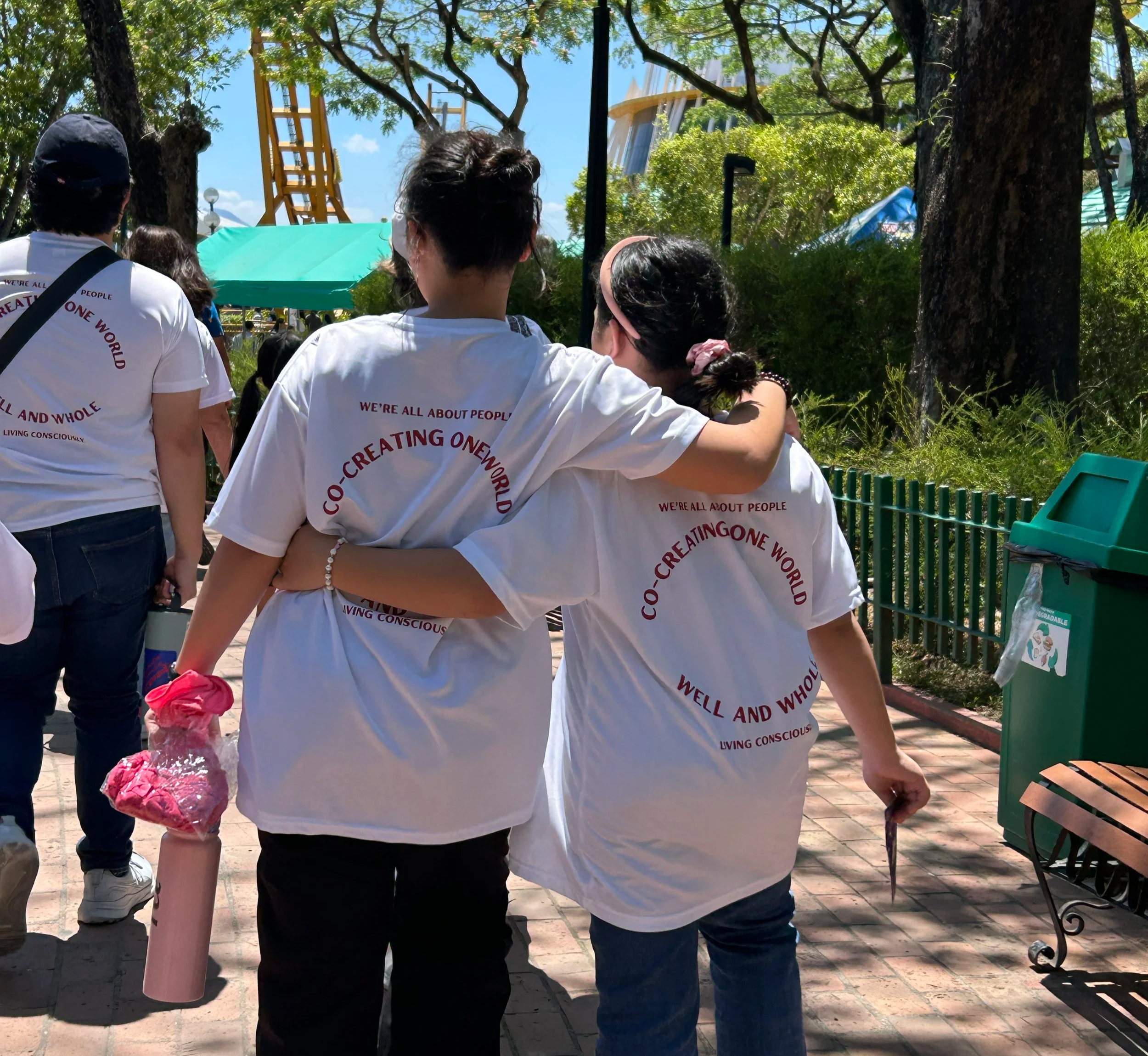
As my team left Enchanted Kingdom that day, the BK girls’ tired but beaming faces renewed our energy for generosity!
That is why we do what we do. Not to ignore the world's pain, but to remind ourselves—and each other—that joy is still possible. Connection is still possible. Even in the darkest of times, we can be light for one another.
That is the true meaning of financial freedom: the freedom to choose love when fear would have us choose isolation. The freedom to invest in what matters. The freedom to STF—Survive, Thrive, Flourish—not alone, but as a community of communities, healing the world one moment of presence at a time.
What small act of revolutionary generosity will you practice this week? Share it in the comments, and let's inspire each other to choose joy, even in hard times.