
BOWWBLOG #49: The Man in the Mirror and the Records on My Shelf: What Michael Jackson Taught Me About Mess, Mastery, and Moving On
How a so‑so biopic but potentially box-office hit, a data‑science cyclist son, and his ballet teacher girlfriend reminded me that even icons are just humans practicing their craft
WHAT: The Biopic That Wasn’t Great—But Sparked Something Great
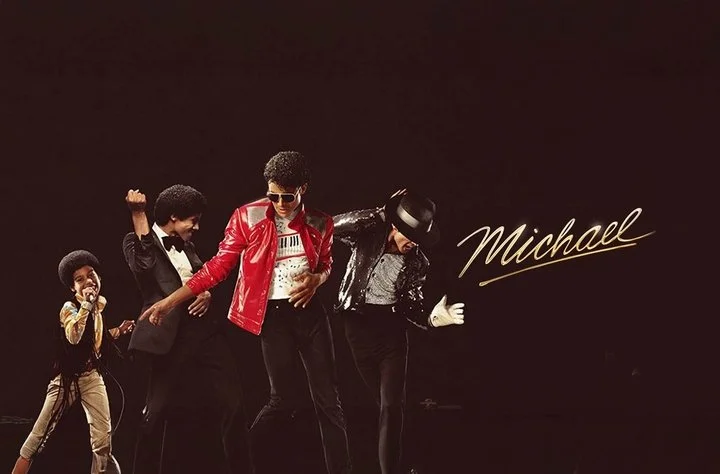
Last week, I watched the Michael Jackson biopic on opening day in the Philippines. I went with my youngest son, Amico—a data scientist, passionate cyclist (Super Randonneur), pianist, and guitarist—and his girlfriend, Jo, a wonderfully focused ballet teacher who trained as a scholar in the Philippine High School for the Arts. Two generations, three different relationships with music, all sitting in the dark.
The film itself? Honestly, a bit blah for me. It felt like watching a concert on screen. I actually wanted to stand up and dance! Jaafar Jackson was uncanny—an extraordinary mirror of his uncle. He did justice to the role. But I wished it were rawer, messier, real. I wanted the human being behind the sequined glove, not just the greatest hits. I wanted the industry rebel and visionary in Michael to be honored.
And yet—the movie did something unexpected. It bonded us. My son, who analyzes data for a living; his partner, who teaches bodies to move with precision; and me, a woman who once negotiated union strikes while a vinyl collection of 1,500 records gathered dust. We found common ground in Michael’s life, his music, his artistry.
SO WHAT: The Messy Truth About Icons—And Ourselves
1996 was a tough time for me. Michael’s History concert tour came to Manila—110,000 people reportedly attended. I didn’t go. I was past my early rock days (Bob Dylan, Janis Joplin, The Who, Led Zeppelin, still spinning on my turntable). More critically, I was in my 20th year of being a person-in-recovery from substance use, negotiating a major union strike, at a career crossroads. I had other priorities.
What struck me now, watching the biopic and his concerts decades later, was not the spectacle but the relatability of his messy upbringing. Michael wasn’t shielded from the slings and arrows of life. Wealth and fame didn’t protect him from suffering. Anicca—impermanence—touched him just as it touches us.
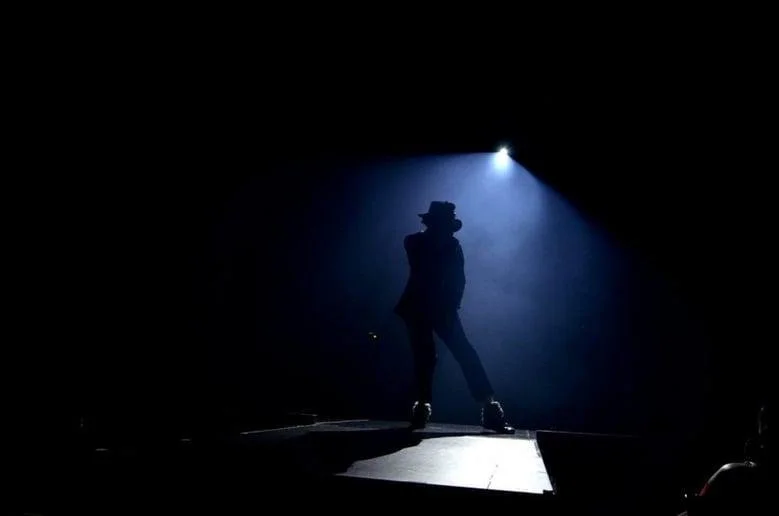
What never ceases to amaze me is this: when you put discipline and rigor into your craft, co‑creating conditions for unleashing potential, your unique contribution to the world comes forth. It flows. Almost effortlessly. Wu wei as the Taoist would say.
Michael’s perfectionism was not a personality flaw; it was a practice. A rigorous, daily return to the work. His introverted, humble, soft‑spoken nature—not the stadium, not the pyrotechnics—was the true container for his art. And his philanthropy, the Heal the World Foundation, was his Adaptive Action: transforming his own pain into patterns of healing for others.
The audience at his concerts didn’t have screens to hide behind. They raised lighters, hugged friends, stayed present. of course there were tearful screams and hysterical, yet no selfies to prove they were there. Just the music, the moment, and each other.
NOW WHAT: What We Carry Forward—And How You Can Too
The biopic’s greatest gift was not the film itself, but the conversation it started. Amico and Jo, both in their late twenties—asked questions. We talked about discipline, about the courage to be imperfect, about how art survives even when the artist does not.
Here is what I want to leave with you, my dear reader:
1. Honor the Mess That Made You
· Action: This week, take 10 minutes to write down one “messy” period in your life—a struggle, a failure, a crossroads. Then write one skill or insight you gained from it.
· Why: Your masterpieces are not despite your mess; they are because of it. Michael’s music resonates because he didn’t hide his wounds.
2. Find Your Intergenerational Spark
· Action: Share a piece of art you love with someone from a different generation—a song, a film, a vinyl record, a poem. Don’t explain it. Just share it. Then listen to their reaction.
· Why: Connection across ages is a form of resilience. It reminds us that human longing is timeless.
3. Practice the Discipline of Presence
· Action: The next time you attend a concert, a play, or even a family dinner, leave your phone in your bag. No photos. No videos. Just you and the experience.
· Why: The lack of screens at Michael’s concerts wasn’t nostalgia; it was presence. Presence is the rarest gift we can give to art and to each other.
4. One Day, Visit Your “Neverland”
· Action: Identify a place that symbolizes sanctuary for you—a childhood home, a quiet garden, a museum, a record store. Plan a visit, even a short one, before the year ends.
· Why: Michael’s Neverland was his attempt to create safety. You don’t need a ranch; you just need a place where you can remember who you are beneath the roles.
5. Pass On a Record (Literally or Figuratively)
· Action: If you have a treasured album, a book, a recipe, or a tool, give it to someone younger—not as an heirloom, but as a working object. Show them how to use it.
· Why: Passing on the means of creation is more powerful than passing on money. It says: You, too, can make something beautiful.
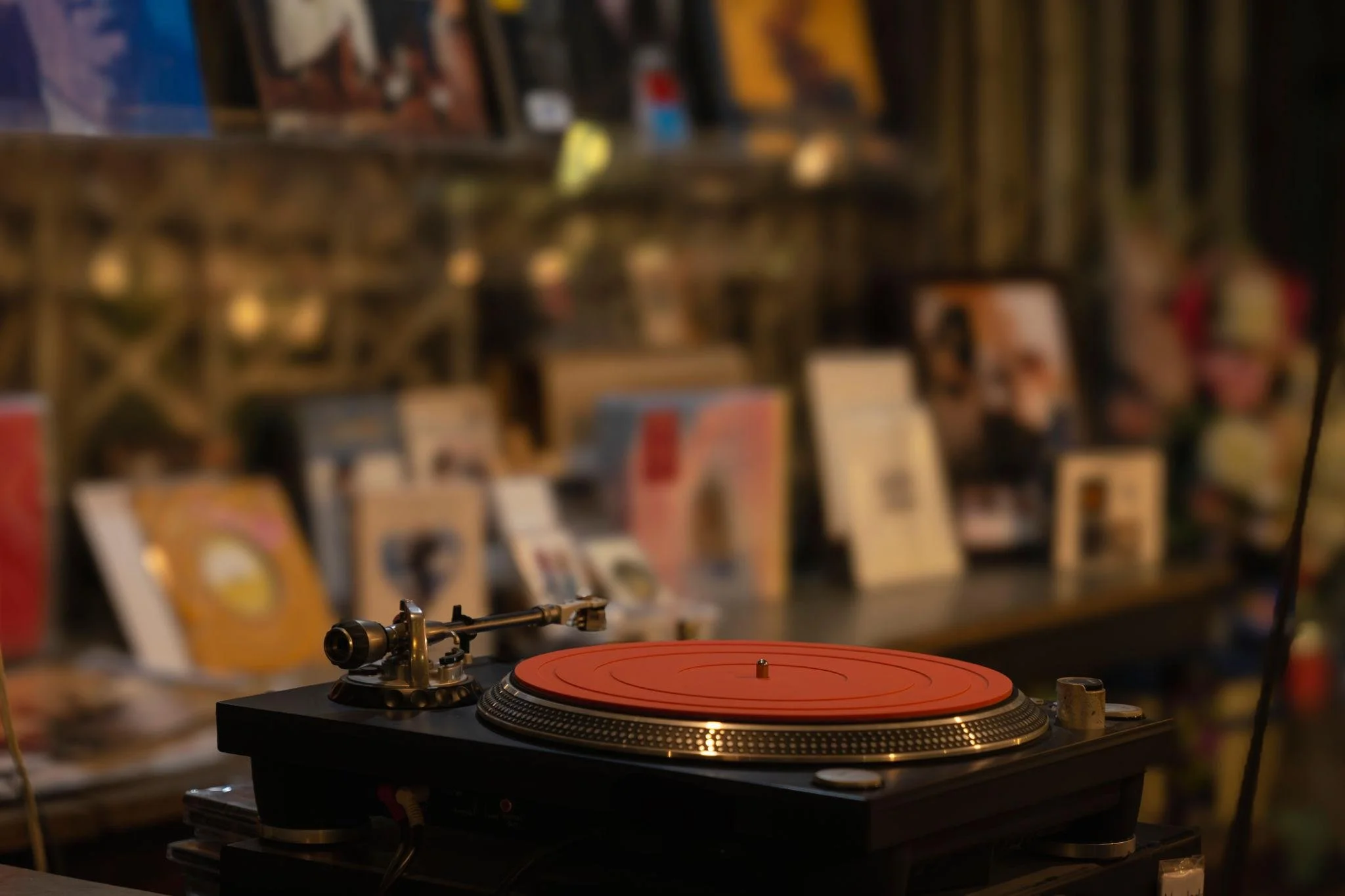
I may still visit Neverland one day. But for now, I am content to sit with my son, Amico, and his girlfriend, Jo, and perhaps even my two other daughters- Ro and Asia- listening to I’ll be There or Thriller on vinyl, watching the needle trace the grooves. The music crackles. We don’t need a perfect biopic. We have each other, and the discipline of showing up—imperfectly, messily, fully.
That is Michael’s real legacy. Not the glove. Not the moonwalk. But the reminder that even icons are just humans who practiced their craft until it became a prayer.
-Susan Grace Rivera
Posted On: May 03, 2026