
BOWWBLOG #50: The Lesson of Pakikipag-kapwa: Why Parenting Is the Quiet Revolution That Changes Everything
How becoming a mother at 19 taught me that the smallest thread holds the strongest fabric—and that we are all co-creators of a kinder world
WHAT: The Thread That Started It All
As I write this, the world celebrates Mother’s Day, with Father’s Day just around the corner. These milestones always prompt a deep reflection on the act of co-creation. Whether conceived naturally or through the wonders of science, we are all born to mothers, and a father always contributes to the spark of life. There is no force stronger than the impulse to love and procreate.
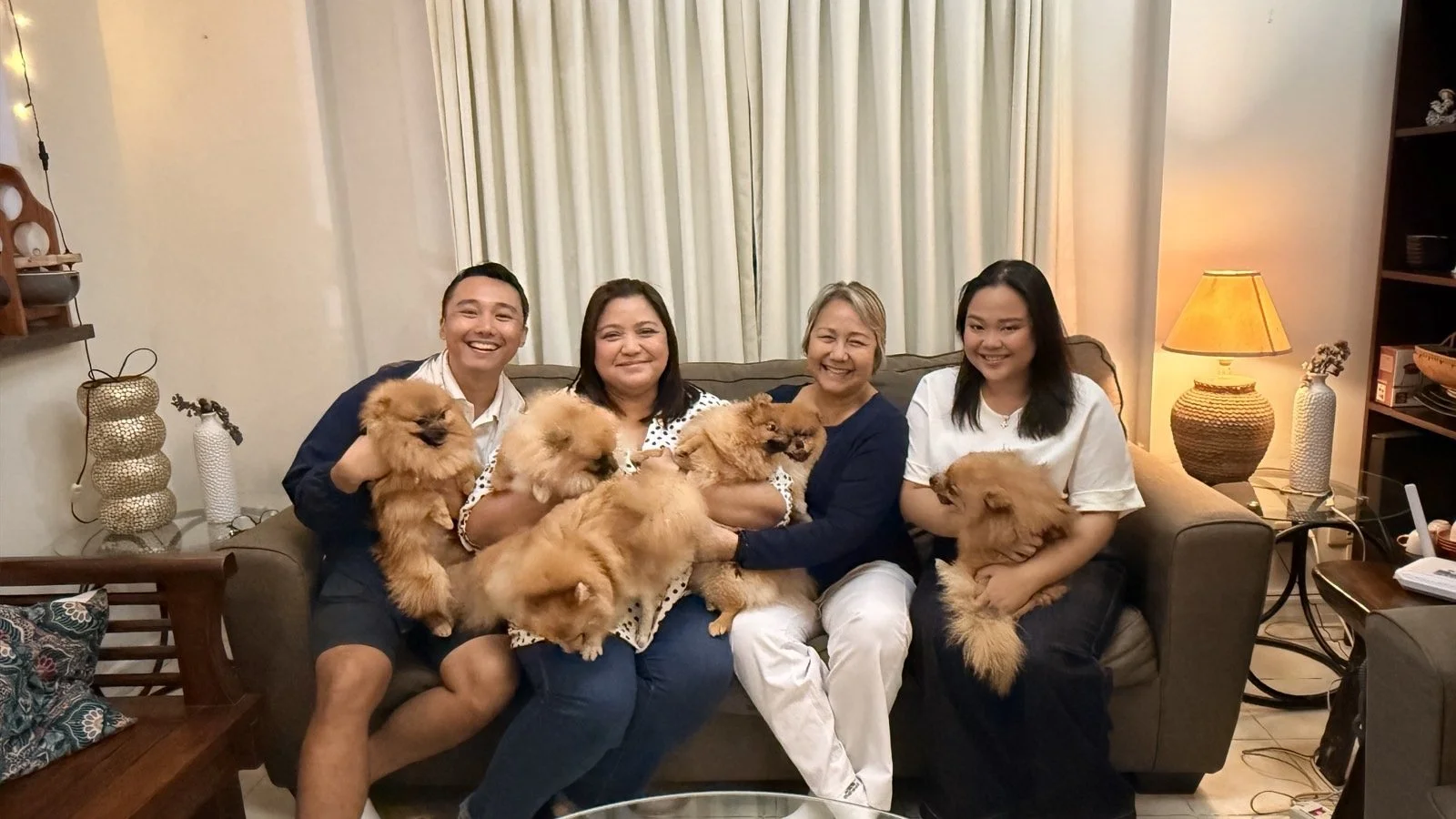
I am the mother of three adult children: Ate Ro, Asia, and Amico. While I still await the day I can officially step into the role of "Grandma" (beyond being a "fur-mom" to our six rowdy Pomeranians!), I find myself looking at my children and marveling at how much the social fabric of humanity has shifted in just one lifetime.
In the 50 years since I first became a mother at 19, we have witnessed a radical evolution in the human species—not in our biology, but in our social DNA.
· The Intentional Parent: We have moved from "accidental" or traditional parenting to what sociologists call the “Intensification of Parenting”. Despite more parents working today, we actually spend more focused time with our children than parents did 40 years ago. Parenting has become a high-investment, sacred mission of emotional intelligence.
· The Breadwinner Myth: The rigid divide between the "providing father" and "nurturing mother" has softened. In the Philippines alone, there are now an estimated 15 million solo parents, the vast majority being women who have learned to be both the padre de familia and the “ilaw ng tahanan” literally translated as “light of the home.”
· The New Timeline: My children’s generation is rewriting the script. Globally, people are marrying later or choosing cohabitation over legal contracts, prioritizing financial stability and personal growth first. While I hope for grandchildren, I respect that they are navigating a world far more complex than the one I knew in 1976.
SO WHAT: From Survival to Abundance—The Thread Becomes a Fabric
My own mother was an orphan, yet she was the most compassionate human being I have known. I followed a similar, "unusual" path. Many would expect a solo journey to create a survivor mentality—a "look out for #1" stance.
Instead, I have the good fortune of evolving into an other-centric person. My work as a consultant, coach, capacity creator and community connector is simply an extension of my parenting. I have learned that the capacity to protect and nurture a human being to their fullest potential is a skill that translates directly to building businesses, teams, communities, and societies.
My journey has taught me that "solo" is a misnomer. None of us do this alone. We are held together by two profound concepts that bridge the global and the local:
· Ubuntu (African philosophy): "I am because we are." My humanity is inextricably bound up in yours.
· Kapwa (Filipino heart) and the act of “pakikipag-kapwa.” The recognition of a shared self, the understanding that the child, the neighbor, and the community are not "others" but extensions of ourselves.

When we parent—whether singly or in partnership—we are practicing Kapwa. We are weaving threads into a fabric that holds us all.
NOW WHAT: How You Can Strengthen the Fabric—Starting Today
Parenting is not the only way to practice Kapwa. You may be a grandparent, a tita, a godmother, a teacher, a mentor, or simply a human being who cares. Every act of nurturing is an act of social evolution.
Here is a simple, doable call to action for this season of honoring mothers, fathers, and all who nurture:
1. Honor Your Own First Teacher
· Action: This week, write a short letter or send a voice message to the person who first nurtured you—your mother, father, grandparent, or guardian. Share one specific memory of how they shaped your capacity to care.
· Why: Gratitude is not just polite; it is a practice of Kapwa. It reminds us that no thread is woven alone.
2. Practice "Intentional Presence" with One Young Person
· Action: Spend 30 minutes with a child or young adult in your life—your own, a niece, a student, a neighbor. Put away all devices. Ask them one open question: "What is something you are learning that excites you?" Then listen. Really listen.
· Why: The Intensification of Parenting is not about more activities; it is about more presence. Your focused attention is the most valuable resource you can give.
3. Reframe Your "Single Story"
· Action: If you are parenting solo or navigating an unconventional family structure, take five minutes to write down three strengths that this path has given you (e.g., resilience, deep listening, creative problem-solving).
· Why: Survivor stories often hide the abundance within them. Naming your strengths transforms survival into a legacy.
4. Perform One Act of "Other-Centric" Generosity
· Action: This week, do something kind for someone without expecting anything in return. It could be as simple as paying for a stranger's coffee, sharing a meal with a street vendor, or offering free babysitting to a exhausted parent.
· Why: Every small act of Kapwa repairs the social fabric. You are not just being nice; you are co-creating a world where no one feels alone.
5. Share Your Own Thread
· Action: In the comments below, share one way your family—traditional, solo, blended, or fur-based—has taught you about Kapwa. Let us build a tapestry of stories that reminds us all: We are because you are.
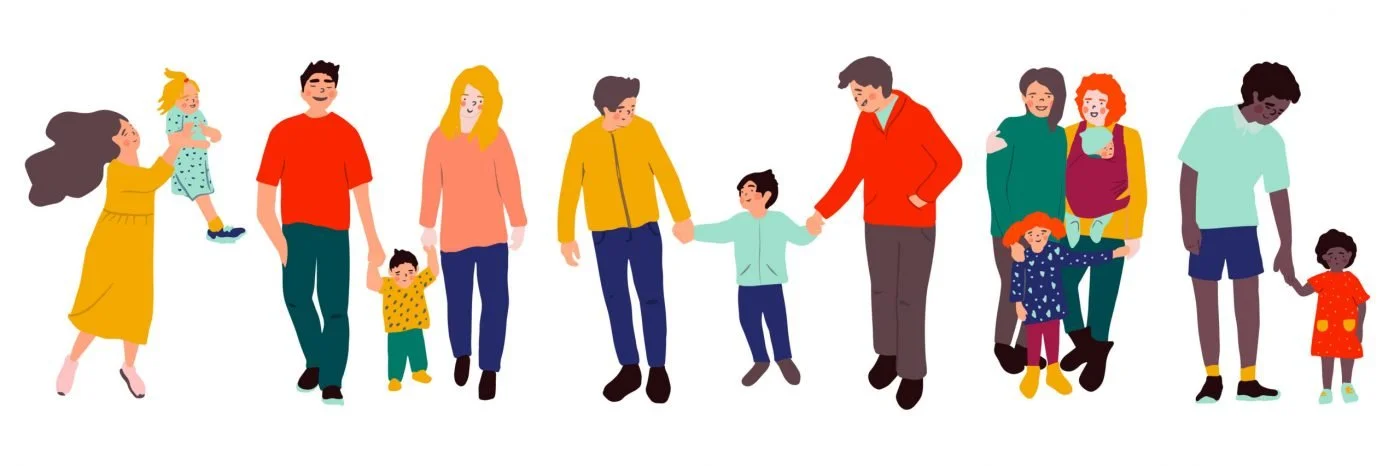
As we honor the nurturers this season, let us celebrate the evolving fabric of the family. Whether your family is traditional, solo, blended, or fur-based, remember that you are part of a grand, co-creative process. We are all threads in the same cloth, and it is our capacity to care for one another that makes the fabric strong.
Happy Mother's Day. Happy Father's Day. And happy Kapwa—every single day.
Posted On: May 10, 2026
-Susan Grace Rivera