
WOWWBLOG #73: The Sanctuary and the Machine: What a Hospital Stay and a Film Called "2 Valid IDs" Taught Me About Hospitality and Heartbreak
How a bout with Influenza A revealed the gap between the hospital as a refuge and the hospital as a bureaucracy
WHAT: The Body Loses Control
The last week has been grueling.
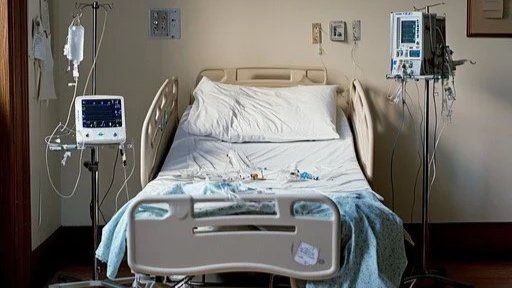
I literally experienced my body lose control as it was taken over by what was ultimately diagnosed as Influenza A—a highly contagious respiratory viral illness that infects the nose, throat, and lungs.
I went through the full gauntlet of symptoms: sudden high fever, chills, severe fatigue, body aches, and a cough that felt like it was rearranging my insides. Because they were severe, I was admitted to the hospital, where I stayed for six days.
There is something about hospitals that I have struggled with for many years. My mother, Julie, who passed away in 2017, was a nurse all of her working life. I was a regular habitue of the medical centers in the mining communities where my family lived. Hospital staff became extended family. It has become the modern-day campfire where the medicine man or shaman would heal the body and soul's aches and pains.
Funny, I searched and found that the root word of "hospital" is the Latin hospes, which translates to "host," "guest," or "stranger." Historically, it did not refer strictly to a place for medical treatment, but rather a refuge or shelter providing hospitality for travelers, pilgrims, the poor, and the sick.
But as I lay in my private room—monitored, medicated, and cared for—I could not stop thinking about the stark contrast between the idea of a hospital and its reality in the modern world.
SO WHAT: The Cold Commercialism and the Missing Hospitality
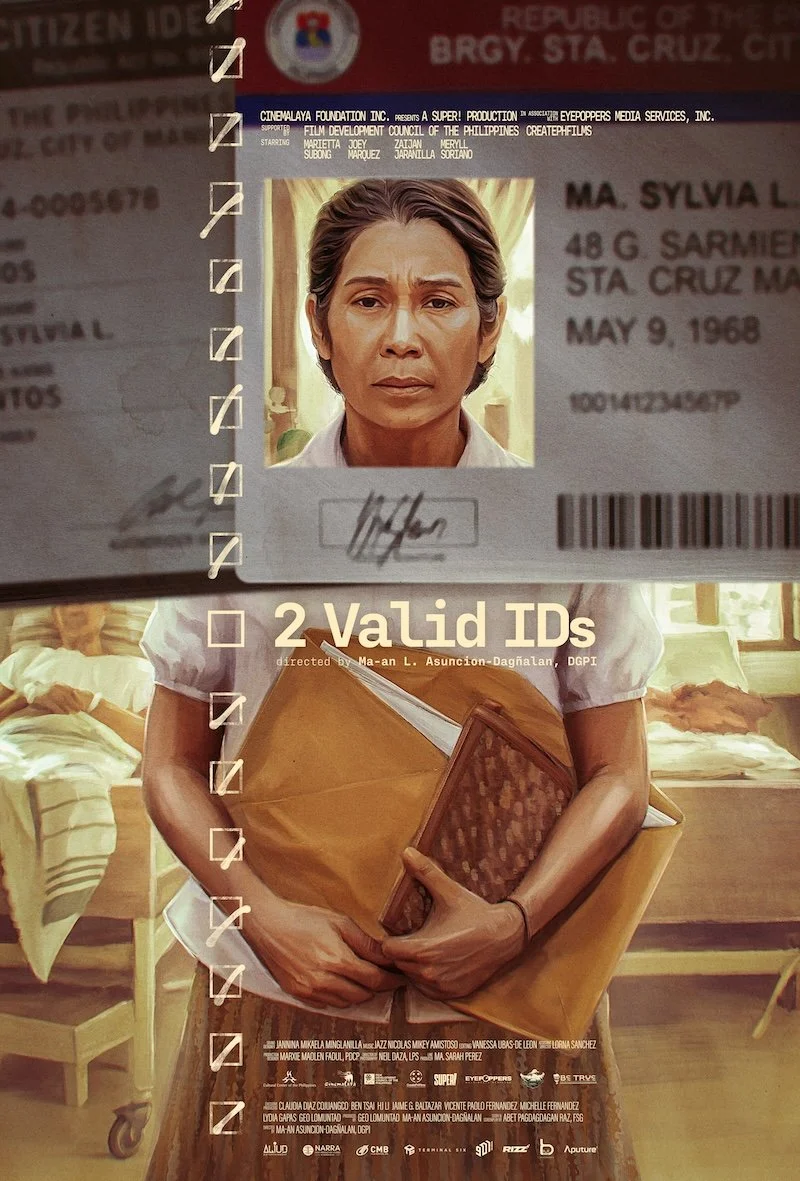
Just a couple of days before I was confined, I watched a film that touched me deeply: "2 Valid IDs."
The film captures the absolute absurdity of administrative cruelty. A poor farmer’s wife rushes her husband to a public hospital. When a relative abroad sends emergency funds, a remittance center denies the money because she cannot present "two valid IDs." Her only ID—a PhilHealth card—is rejected. She is forced into a soul-crushing loop of government lines, only to secure the documentation too late. Her husband passes away in the ward.
My own experience, while far more privileged, echoed this same systemic coldness. Even in a private room, the barriers were not medical—they were administrative and commercial.
· The Ghost in the Room: For about five days, the name on the meals I was served was not mine. I was someone else. A small thing, perhaps, but it felt like a profound erasure of my identity in a place meant to care for me.
· The Lost Cause of Basic Dignity: I asked for my hospital gown and bed sheets to be changed. It was a lost cause. Basic comfort and hygiene became a battle I simply did not have the energy to fight.
· The Infiltrated IV: My IV infiltrated (the correct medical term for when fluid leaks into surrounding tissue). Instead of immediate intervention, they waited for my hand to enlarge and become inflamed before moving it to the other hand. It was reactive, not proactive.
· The Rule vs. The Reality: Just ky bad luck, my attending physician does not believe in HMO so his fees are out of pocket. The rule was that the basis of the attending physician's professional fee (PF) is the room rate. But goodness gracious, the fee charged was almost three times that rate. And there was no response to requests for discounts. What cold commercialism!
The private room and the public ward are governed by the same clinical coldness. In the public sector, it manifests as the lack of legal identity. In my private room, it manifested as HMO non-accreditation and predatory billing practices. The patient is trapped in the middle—paying premiums for "coverage" that vanishes, or paying exorbitant fees for care that lacks basic hospitality.
NOW WHAT: Reclaiming the Campfire
The word hospital shares its root with hospitality and host. It was meant to be a place of welcome. How do we reclaim that spirit in a system that treats people like numbers, or worse, like criminals for not having the right piece of plastic?
I do not have all the answers. But I know that change begins with awareness. It begins with asking: How do we hold both the individual and the system accountable for creating a more humane experience?
1. Practice the RAIN of Healthcare
· Action: If you or a loved one ever face a medical crisis, remember to pause and breathe. Recognize what is happening. Allow the frustration to be there. Investigate what is actually within your control. Nurture yourself with kindness amidst the chaos.
· Why: The system can dehumanize us, but we can refuse to dehumanize ourselves or the healthcare workers caught in the same broken machine.
2. Be a Voice for the "2 Valid IDs"
· Action: Support organizations that advocate for accessible healthcare, universal health coverage (UHC), and the streamlining of government processes. Share stories like Sylvia's. Do not look away.
· Why: Systemic change begins when enough people refuse to accept that administrative cruelty is "just the way things are."
3. Listen to the Heartbeat of the Hospes
· Action: The next time you interact with a healthcare worker—a nurse, a doctor, a janitor—see them as a human being. Offer a smile. Say thank you. Ask how they are holding up.
· Why: In a system that is often cold and bureaucratic, we can be the warmth of the hospes for each other.
4. Care for the Vessel
· Action: Our bodies are fragile, and healing takes time. If you have been neglecting your health, please listen to your body.
· Why: We cannot fix the world if we do not first tend to our own healing.
I close with a realization that hit me during my six-day stay: the body will always break. The system will often fail. But human connection is the ultimate medicine.
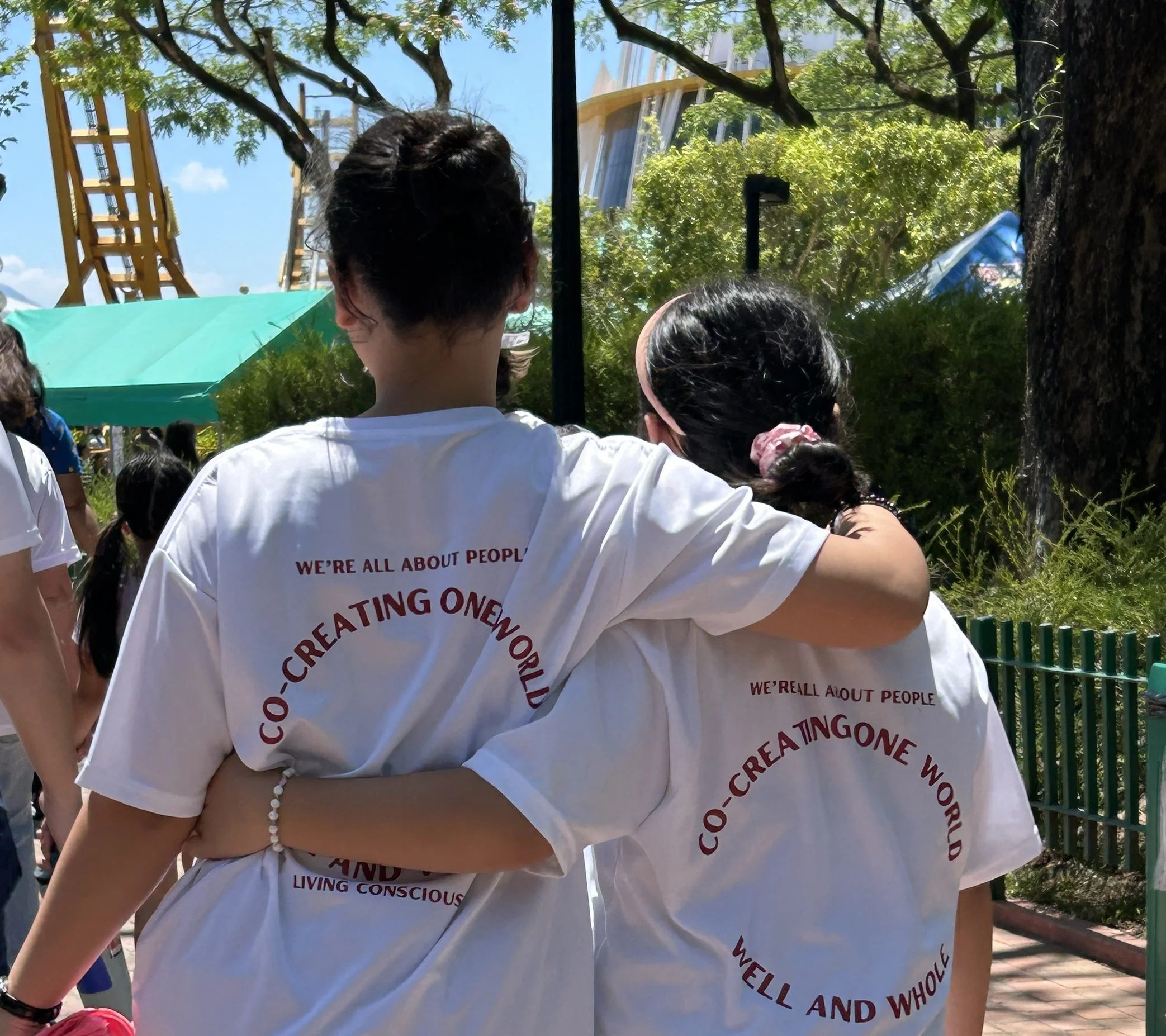
Whether in a private room or a public ward, we are all just strangers seeking a sanctuary. We are all just guests hoping for a host who sees us.
May we find the courage to be that host for each other—and the strength to demand a system that does the same.
-Susan Grace Rivera
Posted on: October 25, 2026